Making friends as a twenty or thirty something can be surprisingly tricky.
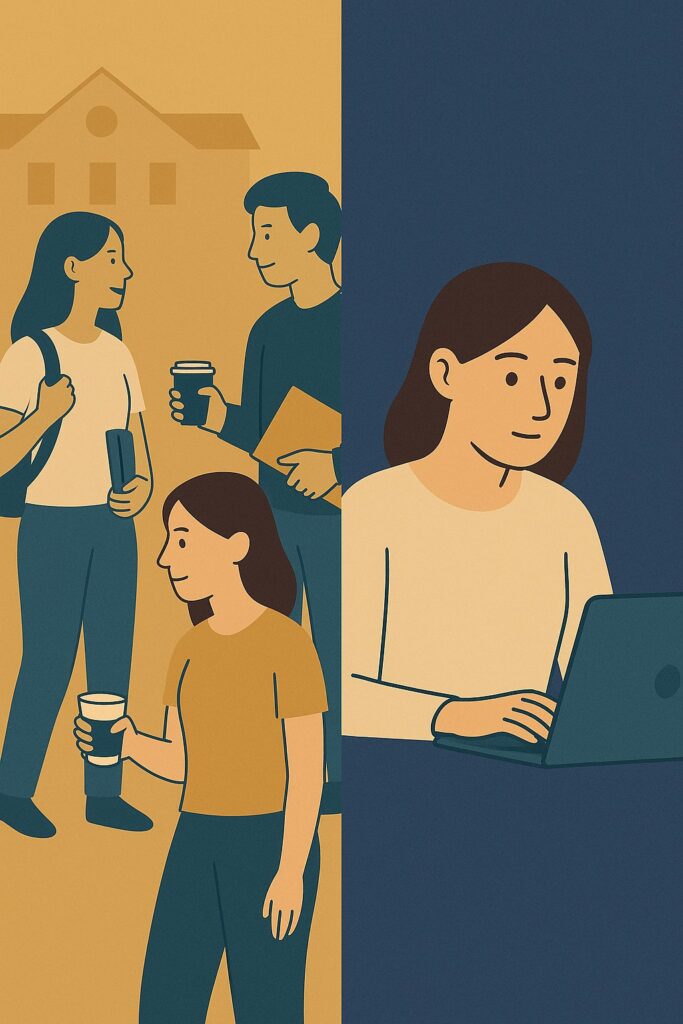
In college or school, we were surrounded by people our own age spending hours each day together. Even if not every connection became a lifelong friendship, the opportunities were there. And we had something we don’t have as much of now: time.
Now, as adults, those chances feel fewer and further between. Our friendship circles may be shrinking, and we often need to book meet-ups weeks sometimes months in advance. Work, partners, family, pets, cleaning, cooking, exercising, “even showers,” and trying to get enough rest it’s no wonder social connection slips down the list.
So how do we make friends in young adulthood? How do we deal with the loneliness that can come with it? And how do we even know whether we want more friendships, or simply more meaningful connection?
Why loneliness can surprise us
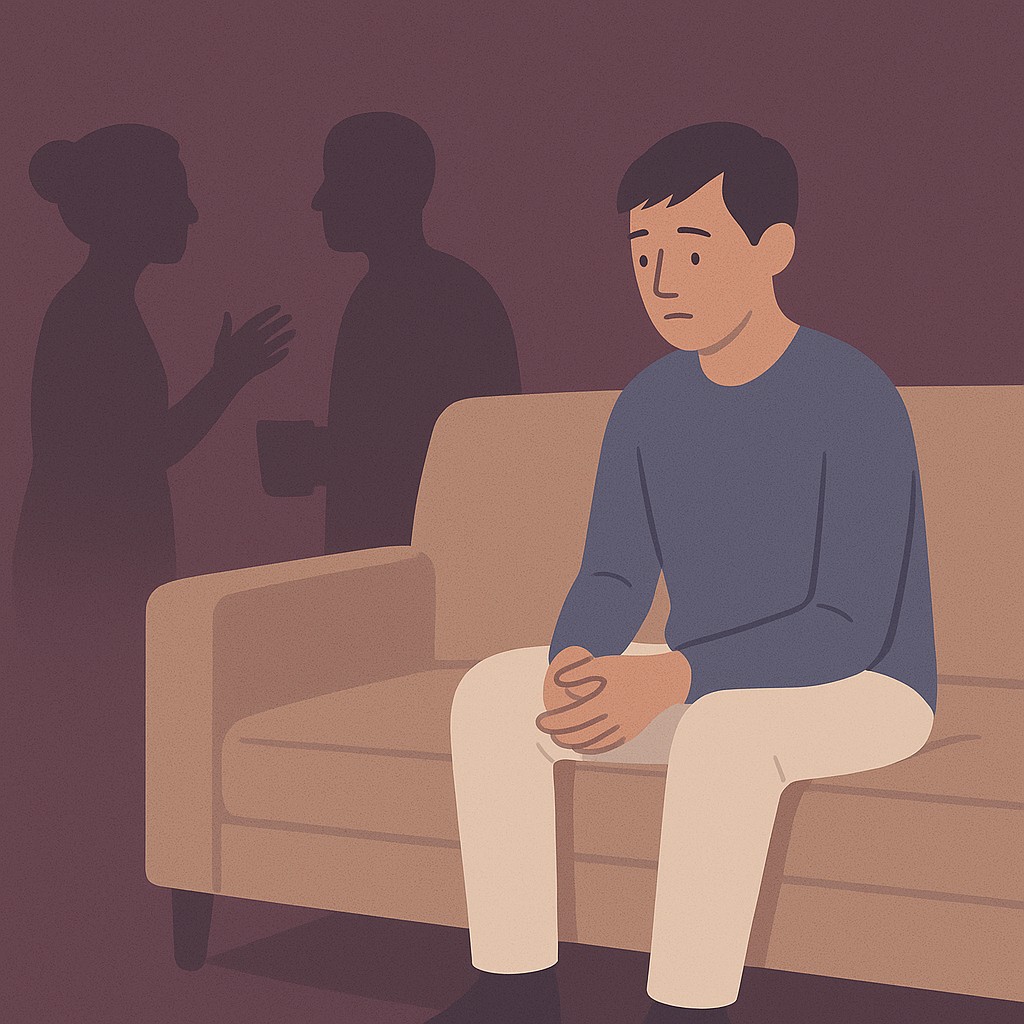
Loneliness can affect anyone, no matter how social they appear. You can be surrounded by people and still feel lonely as if the connection you once had with others is slipping away.
You might notice sadness, low motivation, or self-critical thoughts creeping in. Loneliness can also tie in with low self-esteem: feeling you’re not good enough to connect, or worrying about how others see you. Sometimes it feels like you’re a burden just for being yourself.
For many of us, loneliness comes and goes throughout life. It’s not a fixed state but it can feel heavy when it’s here.

Accepting the feeling
The first step in dealing with loneliness is to acknowledge it. Pushing it away can make it grow, showing up later as irritability, tearfulness, or shutting down from people.
Allowing loneliness to exist even if it’s uncomfortable gives it air to breathe. Maybe you’re under stress, or social settings feel draining right now. That’s okay. Naming it can take some of its power away.
Rebuilding confidence and self-esteem
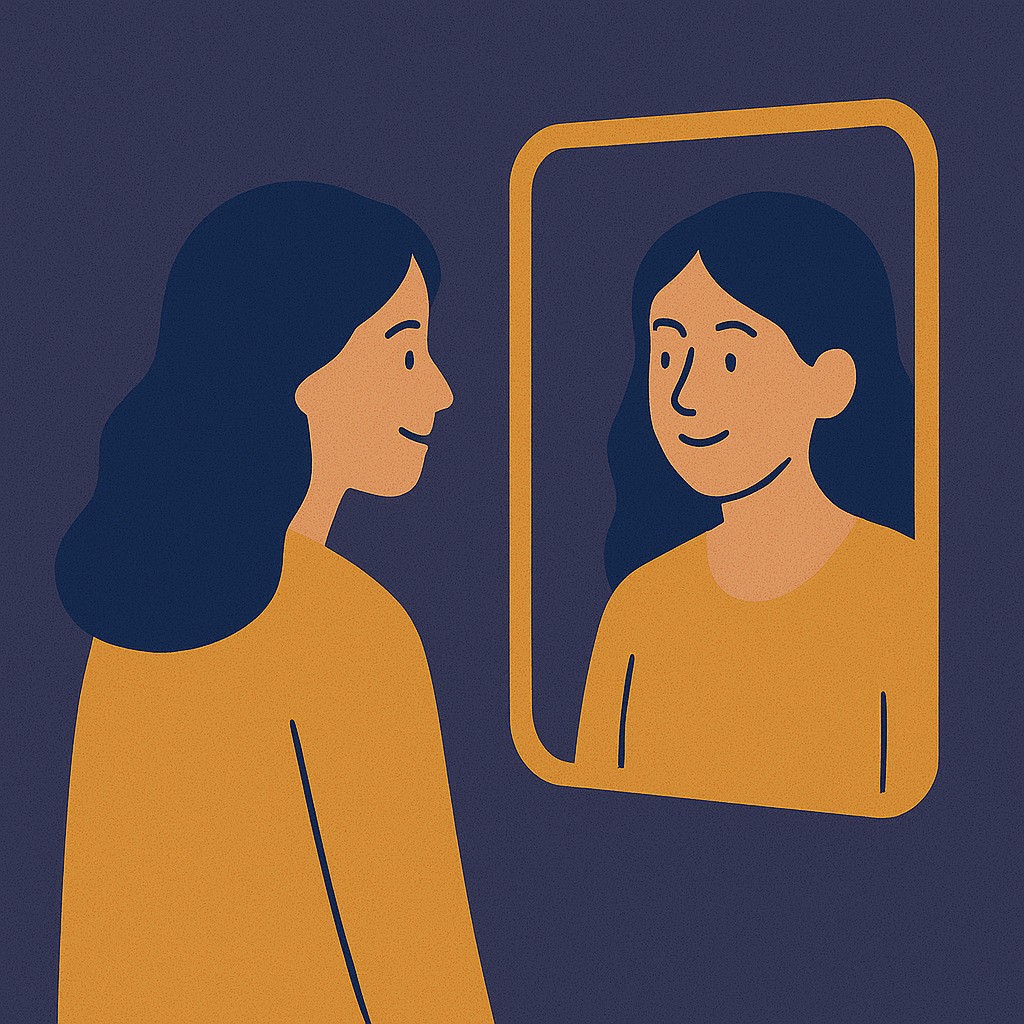
Loneliness can make us doubt our worth. Building your self-esteem helps you challenge those inner messages.
Try to notice your inner critic the voice that says things like, “I’ve nothing interesting to add.”
Then, meet it with a gentler, more balanced thought:
“Maybe I don’t have much to say right now, but it’s still nice to share the space.”
Small shifts like this build self-trust and soften the pressure to be “on” socially.

Finding your tribe
Once you reconnect with who you are and what you enjoy, it becomes easier to find like-minded people.
Think about what genuinely interests you sports, music, gaming, reading, hiking, cooking, creative hobbies. Following your curiosity often leads to natural connections.
You might also realise there are people already in your life you could reconnect with. Sometimes we miss what’s right in front of us until we slow down enough to notice.
How counselling can help
If loneliness feels stuck or difficult to talk about, counselling can help.
In sessions, you can explore your experiences safely without judgement and develop ways to approach social connection that fit you and your personality. It can be a space to understand what you need from relationships, and to practise being open in new or uncomfortable situations.
At Summit Counselling in Swords, we often meet clients in their 20s and 30s navigating this quiet kind of loneliness busy lives, but not always feeling connected.

A gentle reminder
Loneliness can visit anyone. Like happiness or sadness, it’s simply part of being human.
When you acknowledge it, give it space, and take small steps toward connection, it begins to soften.
If you’d like to talk about how loneliness is showing up in your life, or how to build stronger social connections, you can book an appointment or free consultation
with our team today.