
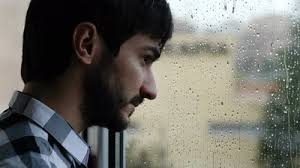
There is a noticeable shift that happens when we leave school.
We move from an environment where connection is built into everyday life to one where friendships require time, effort, and intention.
As adults, our days become filled with work, responsibilities, and routines. Social interaction is no longer automatic. Over time, friendships can drift, and making new ones can feel unexpectedly difficult.
If you are a young adult in Ireland feeling lonely, you are not alone in that experience.

Loneliness in Young Adults in Ireland
Loneliness among young adults is a growing concern across Ireland, and it is not simply about being alone. It is about feeling disconnected, even when surrounded by others.
According to the Spunout Loneliness Report:
- 1 in 5 young people (aged 12–34) in Ireland experience loneliness
- 33% experience loneliness alongside anxiety
- 32% experience loneliness with sadness
- 29% experience loneliness with stress
- 59% of those who feel lonely live with others
This highlights something important.
Loneliness is not about how many people are around you. It is about the quality of connection you feel.

What Loneliness Can Feel Like
Loneliness can show up in ways that are often hard to put into words.
You might feel like:
- You have nothing to contribute in conversations
- You are a burden to others
- Social situations feel overwhelming
- You withdraw more, even when you want connection
For some, loneliness comes and goes. For others, it can feel constant.
Either way, it can leave you feeling stuck.
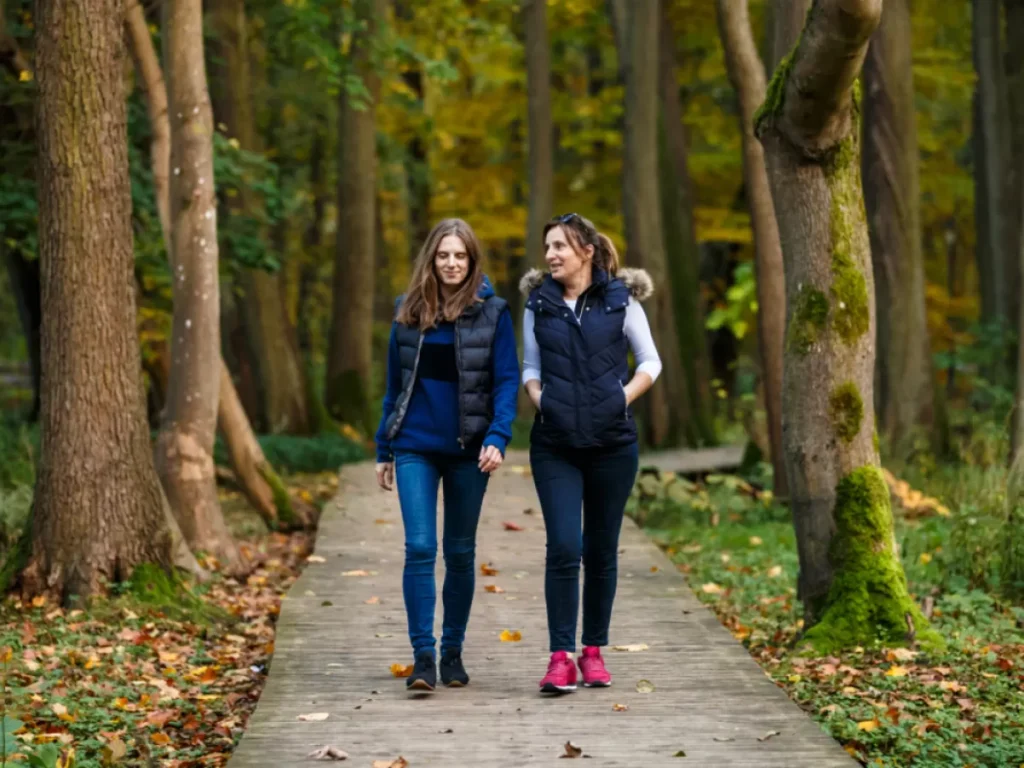
Why It Feels Harder to Make Friends as an Adult
Friendship in adulthood works differently.
It is less about proximity and more about intention.
In school or college, connection happens naturally. In adulthood, it often requires:
- Planning
- Repeated interaction
- Taking small social risks
This can feel uncomfortable, especially if your confidence has taken a hit.

How to Cope with Loneliness
A helpful starting point is simply acknowledging the feeling.
Loneliness is part of being human. Ignoring it can intensify it. Recognising it can begin to soften it.
- Work on Your Inner Dialogue
Many people experiencing loneliness are also dealing with self-critical thoughts.
Thoughts like:
- “I’m not interesting”
- “They don’t really want me there”
Learning to gently challenge these thoughts can make social situations feel more manageable.
- Create Opportunities for Connection
Connection often starts around shared interests.
This might include:
- Joining a gym or sports club
- Taking a class
- Volunteering
- Attending local events in Dublin
Friendship grows through repeated, low-pressure interactions over time.
- Look at Existing Relationships
There may already be people in your life where connection could be deepened.
Sometimes it is not about starting from scratch, but about reconnecting.
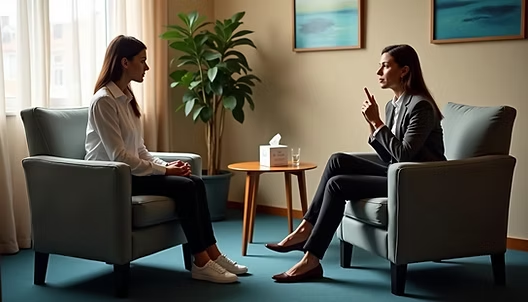
Counselling for Loneliness in Swords and Dublin
If loneliness is starting to feel overwhelming, counselling can help.
At Summit Counselling and Psychotherapy Swords, we work with individuals experiencing loneliness, anxiety, low mood, and feeling disconnected from others.
Counselling provides a space to:
- Explore what is behind the feeling of loneliness
- Build confidence in relationships
- Understand patterns that may be holding you back
- Develop practical ways to connect with others
You do not have to figure it out on your own.
Final Thought
Loneliness does not mean something is wrong with you.
It reflects a gap between the connection you have and the connection you need.
While building friendships as an adult can take time, meaningful connection is still possible.
Often, it begins with small, intentional steps.
Listen Live: Near FM 90.3
Tune into Near FM 90.3 on Friday, April 24th at 1pm, where Siobhan McCarthy will be discussing loneliness among young adults in Ireland in more depth.