
Helping children express what words sometimes can't
Sometimes children struggle with feelings they don’t yet have the words to explain.
You may notice changes in their behaviour instead. They may become anxious, withdrawn, angry, overwhelmed, or find school difficult. They might have trouble sleeping, lose confidence, or seem different from their usual self.
As parents, it can be hard to know what’s happening or how best to help.
Play therapy provides children with a safe, accepting space where they can express themselves naturally through play, helping them make sense of their experiences, develop emotional resilience, and discover healthier ways of coping.
At Summit Counselling and Psychotherapy in Swords, we provide play therapy for children aged 4 to 12 years in a warm, supportive environment where every child is accepted for who they are.
Book a parent consultation today to find out whether play therapy could help your child.
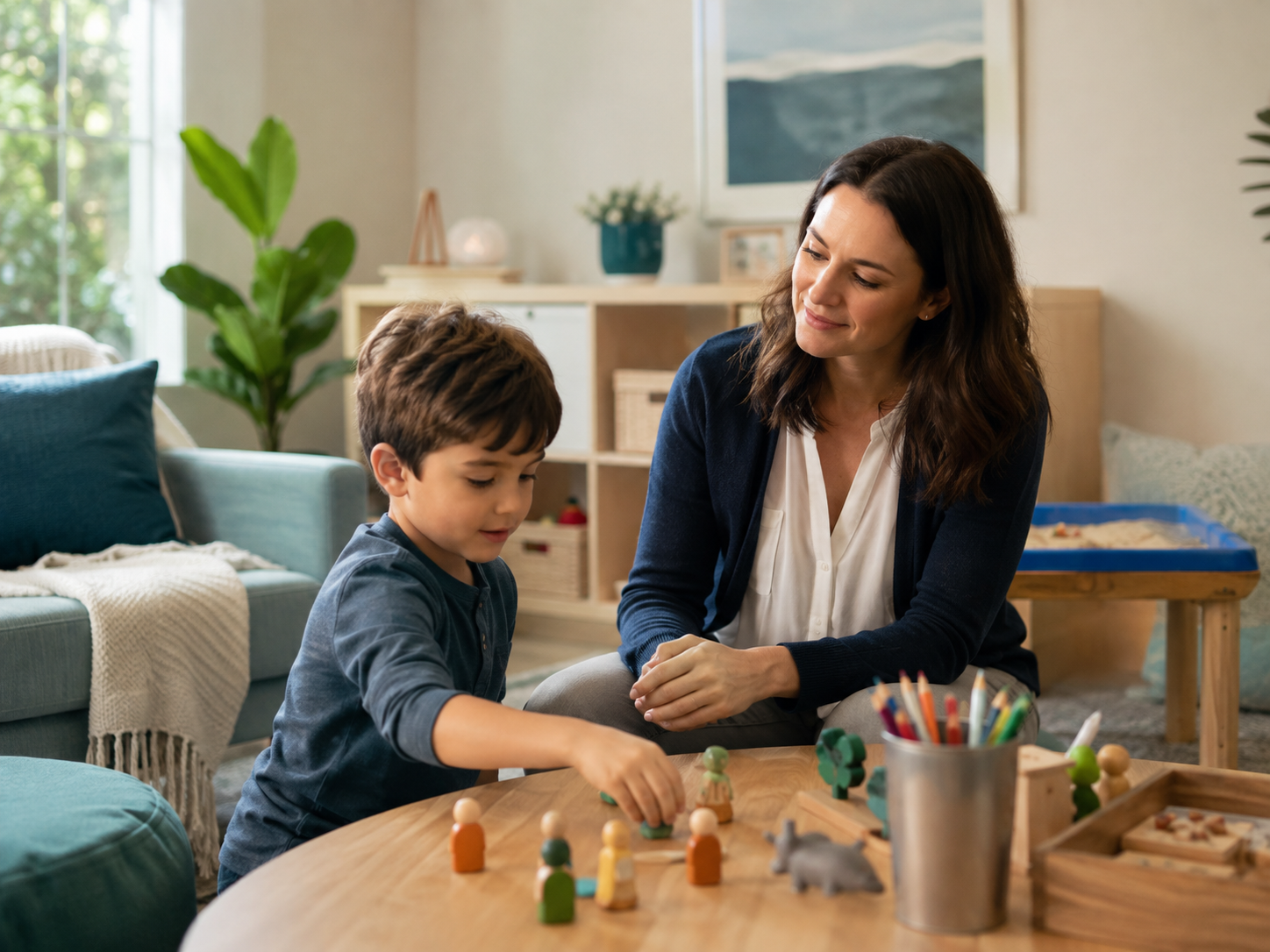
What is play therapy?
Play is a child’s natural way of communicating.
While adults often talk about their thoughts and feelings, children are more likely to express themselves through play, imagination, creativity, and storytelling.
Play therapy is a specialist form of counselling that allows children to explore difficult emotions, experiences, and relationships using play rather than conversation alone.
Through a trusting relationship with a qualified Play Therapist, children are given the opportunity to express feelings that may be difficult to put into words.
The aim isn’t to tell children what to think or how to behave. Instead, play therapy helps children understand themselves, process experiences, and develop the confidence and emotional skills they need to navigate life’s challenges.
How can play therapy help?
Children experience difficulties for many different reasons.
Play therapy can support children experiencing:
- Anxiety
- School refusal
- Emotional regulation difficulties
- Anger and frustration
- Low confidence and self-esteem
- Bullying
- Grief and bereavement
- Family separation or divorce
- Foster care
- Neurodivergence
- Friendship difficulties
- Significant life changes
- Trauma or distressing experiences
Every child is different, so therapy is tailored to their individual needs rather than following a one-size-fits-all approach.
Why play instead of talking?
Adults often process difficult experiences by talking.
Children are different.
Many children simply don’t have the vocabulary or emotional development to explain what’s happening inside them.
Instead, they communicate through their behaviour, imagination, drawings, stories, games, and play.
This is why play therapy can be so effective.
Rather than asking children to find the right words, it meets them where they are and allows them to express themselves naturally.
What happens during a play therapy session?
Every child is unique, so no two sessions are exactly the same.
Rather than directing the session, the Play Therapist follows the child’s lead.
This allows children to explore thoughts, feelings, and experiences at a pace that feels safe for them.
Over time, many children develop greater confidence, emotional awareness, resilience, and healthier ways of coping.
Your child may choose to use:
- Sand tray
- Creative arts
- Playdough
- Puppets
- Storytelling
- Miniature figures
- Therapeutic games
- Sensory materials
What parents often notice
Every child is different, and outcomes vary depending on their individual circumstances.
Parents often tell us they notice positive changes such as:
- Increased confidence
- Better emotional regulation
- Reduced anxiety
- Improved communication
- Stronger relationships at home
- Greater resilience
- Better coping at school
- More confidence expressing feelings
The goal isn’t to change who your child is.
It’s to help them better understand themselves and feel more confident navigating life’s ups and downs.
Working together with parents
Parents are an important part of the therapeutic journey.
While play therapy provides children with a confidential and safe space of their own, we also recognise that parents often need support and guidance.
Throughout the process, we’ll work alongside you to help you better understand your child’s emotional world while respecting the therapeutic relationship your child develops with their Play Therapist.
Together, our aim is to support your child’s wellbeing both inside and outside the therapy room.
Is play therapy right for my child?
You don’t need to wait until things become overwhelming before seeking support.
Many parents contact us because they simply feel something isn’t quite right.
You know your child better than anyone.
If you’ve noticed changes in their mood, behaviour, confidence, friendships, or emotional wellbeing, it may be worth having a conversation.
We’re happy to answer your questions and help you decide whether play therapy is the right next step.
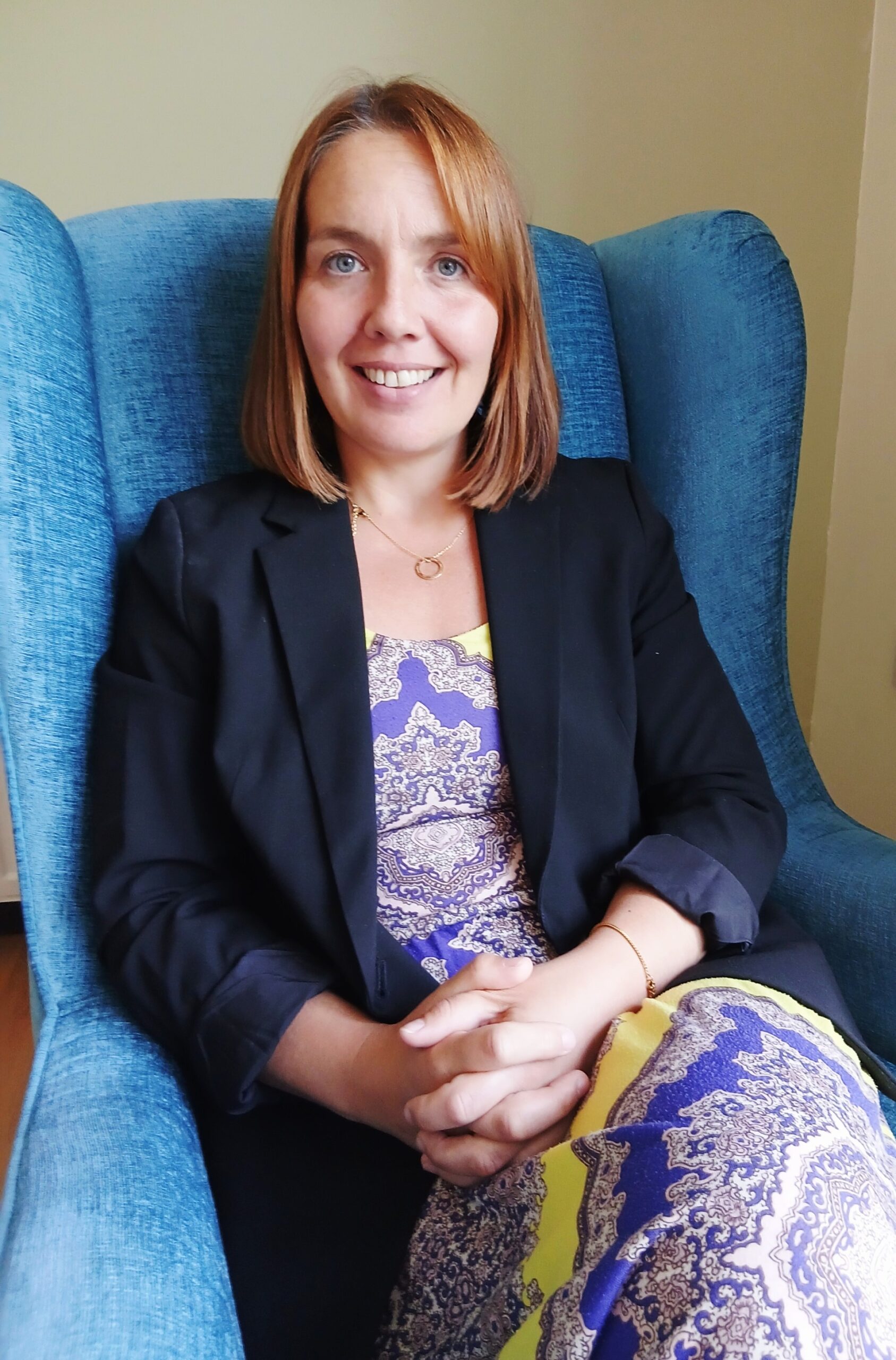
Meet our Play Therapist
Our play therapy service is provided by Brid, a qualified Play Therapist and primary school teacher with more than 20 years’ experience working with children.
Brid offers a warm, child-centred approach, helping children feel accepted, understood, and supported as they explore their emotions through play.
Book a free parent consultation
If you’re wondering whether play therapy is right for your child, we’d love to help.
A free parent consultation gives you the opportunity to discuss your concerns, ask questions about the process, and decide whether play therapy feels like the right next step for your family.